
Profitable Google Ads foundation for a growth-stage DTC brand
Previous campaigns had struggled to gain traction. A small, tightly controlled launch found the searches and audiences that sell, then scaled spend by 400% while staying profitable.

Ad spend scaled, profitable throughout.
About Exhale Coffee
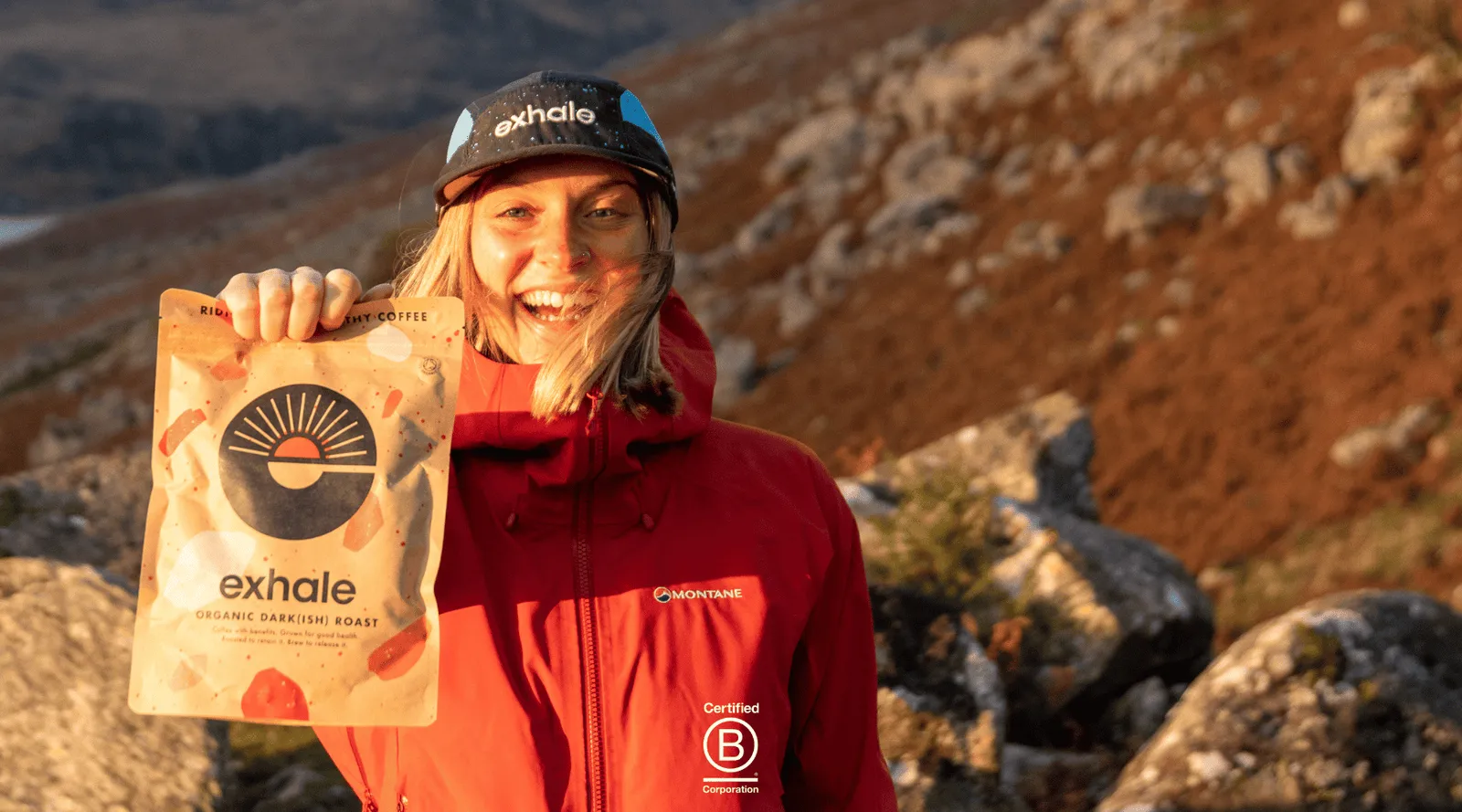
Exhale is a healthy coffee brand founded in London in 2020 by Kirsty and Al. Its speciality-grade organic coffee is roasted in small batches in Brixton and Bristol, and every batch is independently lab tested for mould, mycotoxins and pesticides.
Exhale sells direct to consumers online, with subscriptions at the core of the business, and has more than 150,000 customers.
Founded 2020
Started in London by Kirsty and Al.
150,000+ customers
Buying direct online, with subscriptions at the core.
Lab tested
Every batch independently tested for mould, mycotoxins and pesticides.
Industry
Food & drink. A direct-to-consumer speciality organic coffee brand.
Finding profitable traction from paid ads
In its growth phase, Exhale was looking for a paid acquisition channel it could build on.
Previous Google Ads campaigns had struggled to gain traction. The budget was being spent without the return needed to justify further investment.
We'd had a go at Google Ads before and it just wasn't clicking. Money was going out and, honestly, we couldn't tell you what we were getting back for it.
Alex Higham, Co-founder, Exhale Coffee
From tight control to confident scale
The three ways I was able to help Exhale progress with Google Ads
A high-touch launch
With previous campaigns having struggled, I took a manual approach to building and managing every part of the new campaigns. That close control gave a granular view of which searches, audiences and products were driving sales, before any spend was handed to automation.
Exploring audiences through high-intent search
Exhale sells to several distinct audience segments. We explored each one in sequence through high-intent Google Search, focusing on people looking for something specific and ready to buy. This showed which segments had enough demand, at the right cost, to support a larger campaign.
Guiding the algorithm
With conversion tracking in place that accurately reflected commercial value, and a sufficiently sized audience segment identified, we began expanding the campaign. From there we made increasing use of more advanced bidding strategies, with guardrails in place to keep performance within range.
James kept it simple. Start small, find what actually sells, then turn it up. We've grown spend four times over and it's still paying its way.
Alex Higham, Co-founder, Exhale Coffee
A profitable channel, ready to scale
“Google Ads went from something we'd pretty much written off to a channel we can rely on as we keep growing.”
Since then, Exhale has grown rapidly.
- Profitable from the start. Established a channel for growth that had previously struggled.
- The right signals. Conversion tracking aligned with commercial value, giving the algorithm the right signals to optimise against.
- Segments worth scaling. Identified and validated the high-intent audience segments worth scaling.
- A foundation for growth. Built a foundation of audience and conversion data that has since supported significant further growth of the account.
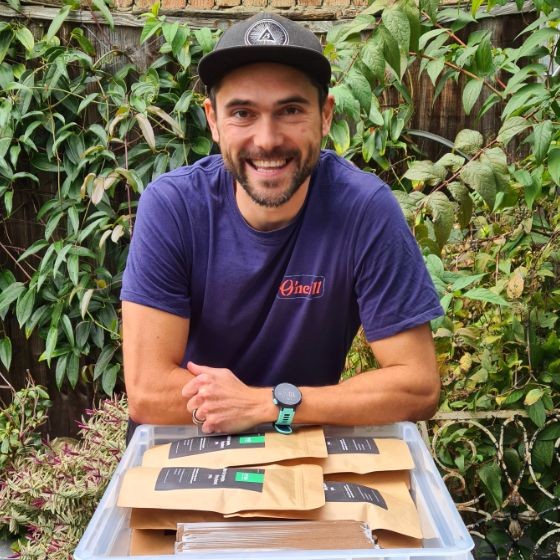
James is one of my favourite marketing specialists that I've worked with. No BS, to the point, and 100% reliable.
Want similar results?
Answers to the questions I hear most from ecommerce and DTC brands that want Google Ads to pay its way.
Book a free 30-minute call and I'll talk through what I'd look at first.
Book a discovery callWhy do Google Ads campaigns struggle to gain traction for ecommerce brands?
The most common reasons I see are handing campaigns to automation too early, targeting that is too broad, and conversion tracking that does not reflect what each sale is worth. Without clean data, Google's bidding optimises towards the wrong signals and spend grows faster than sales. Rebuilding with tight control and accurate tracking puts the foundations right first.
Should I use manual or automated bidding when launching Google Ads?
I start new or struggling accounts with a manual, tightly controlled setup. It shows exactly which searches, audiences and products are driving sales before any decisions are handed to the algorithm. Once there is enough reliable conversion data, I move to automated bidding strategies, with guardrails in place to keep performance within range.
How do I find which customer segments are worth scaling on Google Ads?
Test each segment separately through high-intent search, focusing on people looking for something specific and ready to buy. Compare the demand and cost per sale for each one. The segments with enough search volume at a profitable cost are the ones to expand first.
What conversion tracking does an ecommerce brand need for Google Ads?
Track purchases with their order value, so Google Ads can see the commercial value of each sale rather than just counting conversions. Check that the figures match what you see in your shop platform and GA4. Accurate values give bidding strategies the right signals to optimise against, which matters most when you start to scale.
How can I scale Google Ads spend without losing profitability?
Scale in steps from a foundation that is already profitable, starting with the segments and products that have proven they convert. Move to more advanced bidding strategies as the data allows, and set targets and budgets that keep performance within range. Review results at each step before increasing spend again.
More case studies
All case studies
Inbound traction for an early-stage edtech startup.

More leads at a lower cost for an established local service business.

State-wide and national reach for an established telehealth practice.